

Have you ever wondered if there are enough career options in journalism and mass communication? Is the demand growing, or is it too competitive? Is it a field worth pursuing? Hold on to those thoughts because we’re about to answer them all.
In this blog, we’ll deep dive into the career opportunities in journalism and mass communication, explore its scope across industries, and determine if it’s the right career path for you.
Table of Contents:
- What is Mass Communication?
- Demand of Journalism in India
- The Expanding Scope of Journalism and Mass Communication
- Is It Worth Pursuing Journalism in India?
- Career Opportunities in Journalism and Mass Communication
- How to Build a Successful Career in Journalism and Mass Communication?
- Apeejay institute of Mass Communication Journalism Courses
- Conclusion
What is Mass Communication?
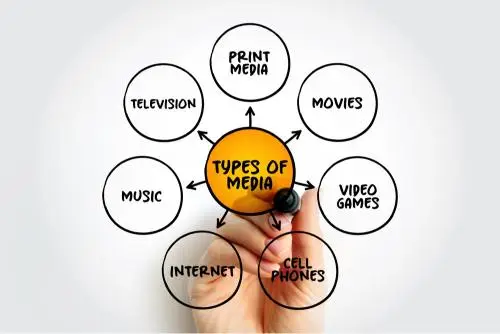
Mass communication is the way of sharing information, ideas, or entertainment with many people through TV, newspapers, radio, and social media. It helps spread news, teach people, and shape opinions. Unlike personal talks, it reaches a large group at once. With new technology, mass communication has become quicker and more interactive, making it easier for people to connect and share information.
It significantly impacts society by delivering news, educating people, and encouraging discussions on key topics. With technological advancements, mass communication has become more dynamic and interactive, strengthening global connections.
Demand of Journalism and Mass Communication in India
The demand for journalism and mass communication in India is influenced by various factors, including media consumption trends, technological advancements, and employment opportunities.
Following data represent the demand and growth of the media industry.
Media Consumption Trends:
- Digital News Consumption: India has over 150 million active online news consumers in Indian languages, with a significant portion residing in rural areas.
statista.com - Traditional Media Reach: Television news channels like NDTV have a weekly offline reach of 32%, while newspapers such as The Times of India reach 27% of the audience weekly.
reutersinstitute.politics.ox.ac.uk
Employment Trends in the Media Sector:
- Between October 2023 and January 2024, the Indian media sector had approximately 3,522 active job postings, indicating a 5.4% decrease since October 2023.
Industry Growth and Opportunities:
- Despite the rise of digital media, the print newspapers and magazines market in India remains substantial, with an estimated volume of US$2.95 billion in 2024.
- The expansion of digital platforms has led to increased demand for journalists skilled in digital content creation and multimedia storytelling.
The Expanding Scope of Journalism and Mass Communication
The scope of journalism and mass communication has grown exponentially in the digital age, offering a range of career paths across journalism, broadcasting, public relations, advertising, and digital media. With online platforms redefining how stories are told and consumed, professionals in this field play a pivotal role in shaping opinions, spreading information, and creating engaging content.
From being a news reporter breaking a national story to managing a brand’s reputation, strategizing advertising campaigns, or creating viral digital content, the field is vast, dynamic, and ever-evolving.
Is It Worth Pursuing Journalism in India?
A career in journalism and mass communication is exciting, fast-paced, and rewarding—perfect for individuals who are passionate about storytelling, research, media ethics, and creative communication.
Journalists help people understand what’s happening in the world by reporting on politics, business, culture, and global events. They play an important role in keeping the public informed.
Journalism and mass communication is not like a regular desk job—it’s fast, exciting, and always changing. Journalists get to travel, talk to people, and find important stories. The job requires curiosity, flexibility, and the ability to share information clearly and interestingly.
With the expansion of digital media, journalism has expanded beyond print and television to online platforms, social media, and multimedia storytelling. It has opened doors for careers in digital journalism, content creation, and investigative reporting.
While initial salaries may be modest, experienced journalists, editors, and anchors can earn well, especially in television and digital media.
Whether you’re drawn to investigative journalism, public relations, film-making, or social media strategy, this field offers limitless growth, creativity, and influence.
Career Opportunities in Journalism and Mass Communication
1. Journalism
The digital revolution has completely transformed journalism. There’s an increasing demand for multimedia reporters, investigative journalists, and digital content creators across print, television, and online platforms.
- News Reporter – Collects, researches, and reports news across diverse beats like politics, crime, sports, entertainment, and business.
- News Anchor – Presents news bulletins, interviews guests, and hosts shows on TV or digital platforms.
- Editor – Reviews, edits, and curates news stories before publication or broadcast.
- Photojournalist – Tells compelling stories through powerful images in newspapers, magazines, and online platforms.
2. Public Relations (PR)
PR professionals shape brand narratives, handle crisis communication, and maintain media relations for organizations, public figures, and corporations.
- Public Relations Officer – Manages a company’s public image, oversees media interactions, and handles crisis communication.
- Corporate Communication Specialist – Develops internal and external communication strategies for businesses and brands.
- Crisis Communication Manager – Protects a brand’s reputation during crises by crafting strategic responses and media statements.
- Social Media Strategist – Creates campaigns, collaborates with influencers, and manages brand storytelling on social platforms.
3. Advertising & Marketing Communication
The surge in digital marketing has created a massive demand for creative professionals who specialize in brand storytelling, ad campaigns, and influencer marketing.
- Copywriter – Crafts compelling ad copies, taglines, and brand messaging for campaigns.
- Media Planner – Selects the best platforms (TV, digital, print, outdoor) for ad placements.
- Digital Marketing Strategist – Plans and executes campaigns across social media, Google Ads, and influencer partnerships.
- Brand Manager – Develops branding strategies, oversees marketing communication, and enhances brand positioning.
4. Broadcasting & Anchoring
The fast-paced world of television, radio, and digital streaming requires skilled professionals for producing and presenting content.
- News Anchor – Presents news, moderates discussions, and conducts interviews.
- Radio Jockey (RJ) – Hosts interactive shows, plays music, and engages listeners through radio broadcasts.
- Broadcasting Specialist – Produces and manages radio, TV, and online content, ensuring high-quality storytelling.
5. Digital Media & Content Creation
With social media redefining communication, there’s an explosion of opportunities in content creation, video production, and digital storytelling.
- Content Writer/ Blogger – Creates engaging articles, blogs, and website content.
- YouTuber/ Video Content Creator – Produces engaging video content for YouTube and social media.
- Podcaster – Hosts audio content on various platforms, from storytelling to interviews and discussions.
- Social Media Specialist – Develops engaging social media campaigns, trends, and viral content strategies.
6. Film & Documentary Making
Visual storytelling through films, web series, and documentaries provides immense opportunities for creative minds.
- Filmmaker/ Director – Conceptualizes and directs short films, web series, and feature-length movies.
- Screenwriter – Crafts engaging narratives for films and documentaries.
- Video Editor – Assembles raw footage, creates visual effects, and enhances storytelling through post-production.
7. Event Management
If you love planning, networking, and working in a fast-paced, dynamic environment, event management offers an exciting career path.
- Event Manager – Organizes corporate events, product launches, concerts, and weddings.
- Publicity & Promotions Specialist – Plans and executes event marketing, sponsorships, and media promotions.
How to Build a Successful Career in Journalism and Mass Communication?
A successful career in journalism and mass communication requires a strong educational foundation, hands-on experience, and continuous skill development.
By mastering writing, multimedia tools, networking, and staying updated with industry trends, you can become a professional Journalist.
Let’s Explore the Steps and Process to Become a Successful Journalist!
1. Choose the Right Educational Path
- Pursue a degree in journalism, mass communication, or a related field from a top mass communication institute.
- Enroll in specialized courses covering print, broadcast, and digital media.
- Consider certifications in digital journalism, public relations, or advertising.
2. Develop Strong Writing and Communication Skills
- Hone writing, reporting, and interviewing skills.
- Start a blog or contribute to online publications.
- Practice multimedia storytelling for diverse audiences.
3. Gain Practical Experience Through Internships
- Apply for internships at newspapers, TV channels, digital media platforms, and PR agencies.
- Build a portfolio with real-world reporting experience.
- Network with professionals and seek mentorship.
4. Stay Updated with Industry Trends
- Follow the latest trends in digital journalism and AI-driven content.
- Engage in media forums, attend webinars, and read credible news sources.
- Learn about emerging tools and technologies in the media industry.
5. Build a Strong Portfolio
- Showcase written articles, video reports, podcasts, and social media campaigns.
- Create a digital portfolio on LinkedIn or a personal website.
- Highlight expertise in specific journalism niches.
6. Master Multimedia and Digital Skills
- Learn video editing, graphic design, and content management systems.
- Use tools like Adobe Premiere Pro, Canva, WordPress, and SEO techniques.
- Enhance audience engagement through digital storytelling.
7. Network with Industry Professionals
- Attend journalism conferences and media events.
- Join journalism associations and connect with professionals on LinkedIn.
- Seek mentorship and guidance from experienced journalists.
8. Choose Your Career Path Wisely
- Explore diverse career paths like print journalism, broadcast media, digital content creation, PR, and advertising.
- Identify your area of interest and develop expertise in that niche.
- Gain hands-on experience in your chosen field.
9. Work on Personal Branding and Online Presence
- Maintain an active LinkedIn profile and publish thought-provoking articles.
- Share insights on industry trends and engage with relevant content.
- Develop a professional online presence to enhance credibility.
10. Be Persistent and Adaptable
- Adapt to the fast-changing media landscape.
- Be open to constructive feedback and new storytelling formats.
- Stay committed to ethical journalism and continuous learning.
By following these steps, you can build a rewarding and impactful career in journalism and mass communication, contributing to informed societies and meaningful storytelling.
Apeejay Institute of Mass Communication Journalism Courses
Apeejay Institute of Mass Communication (AIMC) stands out as a premier institution, equipping students with industry-relevant skills and hands-on experience.
Apeejay Institute of Mass Communication (AIMC) offers a comprehensive range of journalism and mass communication courses designed to equip students with the latest industry-relevant skills. The programs focus on practical learning, digital storytelling, and emerging media trends.
Through specialized courses, expert-led workshops, and real-world media training, AIMC prepares aspiring media professionals to thrive in the competitive industry.
Programs Offered
| Course Name | Specialization | Key Focus Areas |
| Postgraduate Diploma in Journalism & Mass Communication | Print, TV, Digital Journalism | News reporting, storytelling, media ethics |
| Postgraduate Diploma in Advertising & Marketing Communication | Branding, PR, Digital Marketing | Advertising strategies, public relations, market research |
| Short-Term Certifications | Digital Journalism, Broadcast Media, Content Writing | Specialized training in niche areas of media and communication |
Key Features of AIMC’s Journalism Courses
- Hands-on training with real-world media projects.
- Internships with top media houses, TV networks, and digital platforms.
- Workshops by industry experts and renowned journalists.
- Advanced digital tools and AI-driven journalism techniques.
- Strong alumni network and career placement support.
AIMC is dedicated to nurturing the next generation of media professionals by providing industry-aligned education and practical exposure.
If you’re passionate about journalism, AIMC is the perfect place to kickstart your career!
Conclusion
Mass communication and journalism are ways people share news, stories, and information with lots of people. This could be on TV, the internet, or through newspapers. People who work in journalism write, talk, or show pictures and videos to tell others what’s happening in the world.
If you like to tell stories, ask questions, and help people understand things better, making a career in journalism and mass communication could be really fun! There are many ways to do this, like being a reporter, making videos, or helping brands talk to people.
Apeejay Institute of Mass Communication (AIMC) helps students learn all about this field. They teach how to create stories, use cool technology, and get real work experience. So, if you dream of sharing stories with the world and making a difference, AIMC can help you get started on that journey!
Enroll in AIMC Post Graduate Diploma Courses Now!