
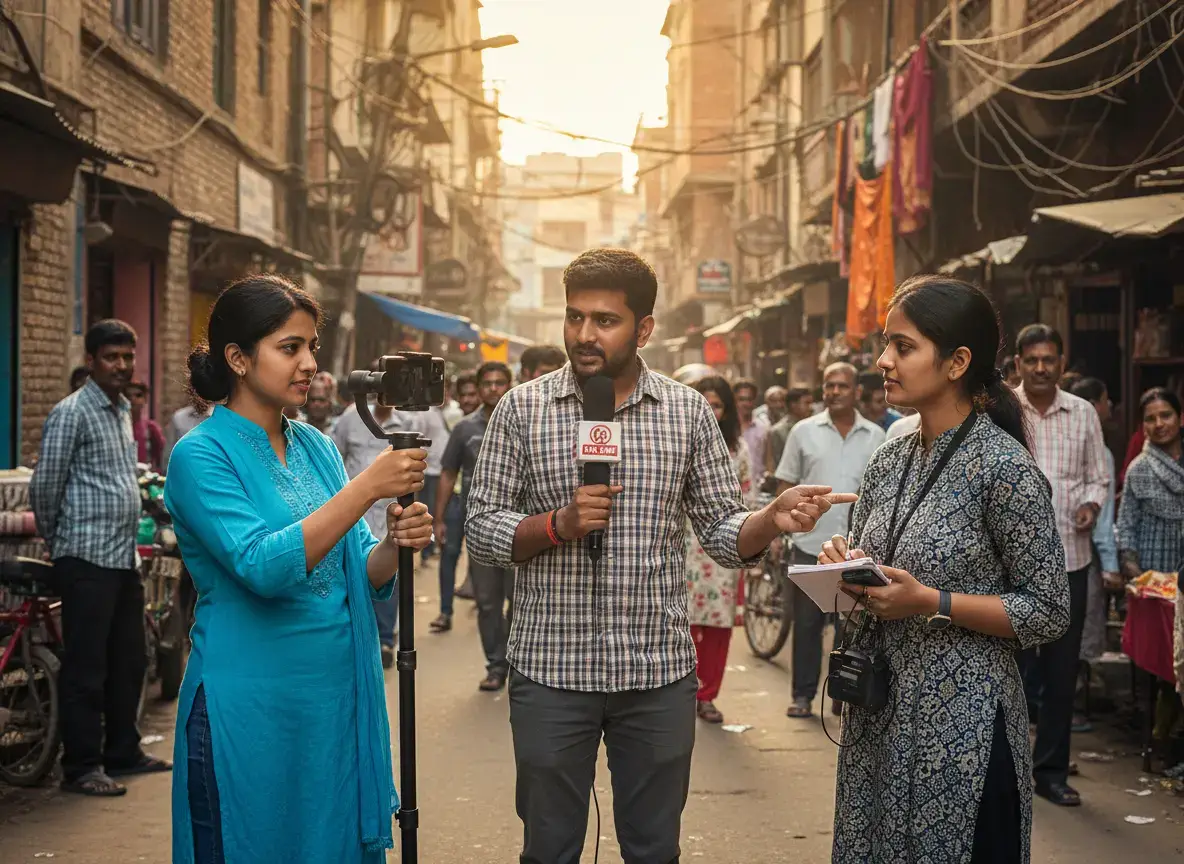


With the media landscape constantly evolving, perhaps one of the most transformative changes is the rise of citizen journalism. Journalism was once the exclusive realm of professional reporters, editors, and established news organizations. However, the digital revolution, fueled by social media, podcasts, smartphones, and easily accessible publishing tools, has democratized news reporting, enabling anyone with an internet connection to act as a journalist. This shift is not only reshaping how news is reported, but also how we, as a society, consume and understand it.
What is Citizen Journalism?
In essence, citizen journalism refers to the act of ordinary individuals—non-professionals—reporting, writing, photographing, or broadcasting news events. This form of journalism thrives in real-time and is primarily shared through platforms like Twitter, Facebook, Instagram, blogs, and news websites. Unlike traditional media, where professional reporters gather, verify, and distribute news, citizen journalism places the responsibility of reporting directly in the hands of the general public.
The role of a citizen journalist can range from simply sharing a breaking news video on social media to producing high-quality investigative reports about local issues. Their work includes eyewitness accounts, real-time event coverage, and reporting on stories that might be underrepresented in mainstream media. With smartphones, mobile internet, and affordable digital tools now accessible to nearly everyone, becoming a part of the news reporting process is within anyone’s reach. For those looking to pursue a career in this field, enrolling in one of the top journalism colleges in India can help develop the skills needed to succeed in this evolving industry.
The Transformation in News Consumption
1. Real-Time Coverage
Before the rise of the digital age, news was primarily delivered through traditional media outlets—newspapers, television, and radio. These organizations had the infrastructure and resources to report on large events, but their speed was limited. A major story might take hours or even days to reach the public.
In contrast, citizen journalism allows events to be covered in real-time. People can witness and report breaking news as it unfolds. This is particularly evident during natural disasters, political uprisings, or criminal incidents. Platforms like Twitter allow users to tweet about events as they occur, often before the mainstream media can respond. The first videos of the Arab Spring in 2010, the 2011 London riots, and the Black Lives Matter movement all came from ordinary citizens using their mobile phones to document and share live events.
For instance, during the 2013 Boston Marathon bombing, a bystander uploaded the first video of the attack to YouTube within seconds, offering unfiltered, raw footage to the world long before news outlets could cover it.
2. Diversity of Perspectives
Traditional media outlets often present a singular perspective on an issue, typically shaped by institutionalized media conglomerates. This has sparked accusations of bias, with concerns that mainstream news outlets may tailor their stories to suit political interests, advertisers, or corporate agendas.
Citizen journalism, however, offers a wider range of perspectives and voices. It allows people from all backgrounds, including marginalized communities, to share their stories and be heard. This has been particularly beneficial in bringing attention to issues that are frequently underreported by mainstream media, such as indigenous rights and local grassroots movements.
Additionally, social media platforms have enabled global collaboration, where individuals across the world can share their opinions and collectively report on events that span borders. For example, during the Hong Kong protests (2019-2020), citizen journalism played a critical role in broadcasting real-time coverage, with protestors themselves offering direct insight into the events.
3. Speed vs. Accuracy: A Double-Edged Sword
One of the biggest advantages of citizen journalism is its speed. News can be shared instantly, sometimes even as events unfold. However, this immediacy also comes with a significant risk—inaccuracy. Professional journalists follow strict editorial standards, verifying facts and checking sources before publication. In contrast, citizen journalists often lack formal training and editorial oversight, which can lead to the spread of disinformation.
Rumors, unconfirmed reports, and manipulated images can quickly go viral on social media, sometimes leading to widespread panic or confusion. The #FergusonUnrest of 2014, for instance, was marked by a significant amount of misreporting by both citizen journalists and mainstream media outlets. While citizen reports offered valuable eyewitness accounts, they also contributed to the spread of false or incomplete information, especially in the chaotic early hours of the riots.
This makes media literacy crucial for news consumers. As the sources of news grow exponentially, it becomes increasingly important for individuals to discern credible sources from unreliable ones. Today, many mainstream media organizations are collaborating with citizen journalists, combining the speed of citizen reporting with the fact-checking processes of professional journalism.
4. Symbiotic Relationship between Citizen Journalism and Mainstream Media
Rather than replacing traditional media, the rise of citizen journalism has complemented it. Many traditional media outlets now incorporate citizen-generated content in their coverage. Networks like CNN and BBC routinely use user-submitted videos and photos in their live broadcasts, particularly for breaking news events.
For example, during the 2014 Nepal earthquake, citizen journalists provided vital video footage of the devastation, which was later used by international media outlets. In this way, professional journalists and citizen journalists work together—professional journalists provide context, analysis, and verification, while citizen journalists offer firsthand accounts and raw footage.
This collaboration has introduced a new level of interactivity in news reporting. Consumers of news are no longer passive; they can now actively participate by reporting, commenting, and sharing content. This democratization of news media is helping to create a more engaged and informed public.

Challenges of Citizen Journalism
Despite its advantages, citizen journalism does have its drawbacks. One of the most significant challenges is legal liability. Citizen journalists may not fully understand the legal risks of defamation, invasion of privacy, or spreading false information. In many countries, particularly where press freedom is limited, citizen journalists may face legal consequences for their reporting.
Another concern is bias and manipulation. While professional journalists are generally expected to adhere to ethical standards of fairness and objectivity, some citizen journalists may be driven by personal or political agendas. Social media posts and videos may intentionally support a particular viewpoint, making it harder for audiences to differentiate between unfiltered reporting and content meant to sway opinion.
Additionally, the lack of editorial oversight in citizen journalism can affect the credibility of the content. Without fact-checking or verification processes, it is easy for misinformation to spread. Citizen journalists may also lack the experience or knowledge to report on complex issues with the necessary depth and accuracy. This is why enrolling in digital media courses in Delhi NCR can provide aspiring journalists with the essential skills to navigate these challenges effectively.
The Legacy of Citizen Journalism: The Future of Journalism
Looking ahead, citizen journalism will continue to be an influential force in news consumption. As technology advances, more people will gain access to the tools needed to cover and report on news. Social media and decentralized publishing platforms will only grow more powerful, enabling ordinary citizens to play an even greater role in the media landscape.
However, for citizen journalism to thrive and remain effective, it will need to collaborate with professional journalists and mainstream media. A symbiotic relationship must be struck—combining the speed, diversity, and grassroots nature of citizen journalism with the editorial standards, training, and fact-checking capabilities of traditional media.
In a Nutshell
Citizen journalism is reshaping how we consume news. It provides immediate, diverse, and personalized accounts of events, allowing anyone with a smartphone to become a reporter. While this shift brings both opportunities and challenges, there is no denying that citizen journalism is a crucial element of the modern media landscape, pushing both news consumers and producers to reconsider how information is communicated, consumed, and trusted in the digital age. Apeejay Institute of Mass Communication (AIMC), being one of the top colleges for journalism & mass communication courses, equips students with the skills to navigate and shape this evolving landscape.
Ready to embark on your journalism journey? Join AIMC and gain the expertise to become a leader in the world of media and communication. APPLY NOW!