

In the fast-paced communication environment of today, “mass communication” and “mass media” are used interchangeably. The two, though related, serve to have different functions and purposes. It is absolutely important to learn the fundamental differences between mass media and mass communication for anyone pursuing media studies, communication, or wanting to learn about the way contemporary information is communicated to the masses.
What is Mass Media?
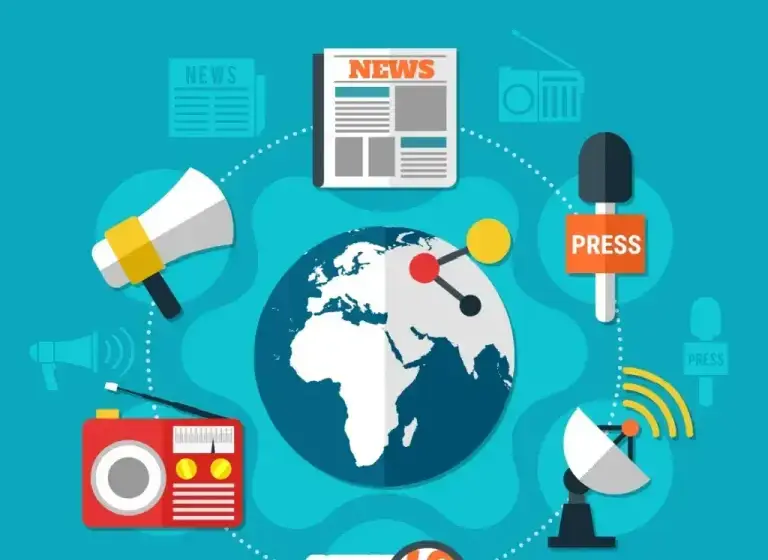
Mass media are all media or technology employed in conveying messages or content to a mass audience. It may be employed to convey different communication channels like television, radio, print media (newspaper, magazines), online media (social media, websites), and outdoor media (posters, billboards). The primary role of mass media is to distribute information, entertainment, knowledge, and advertisements to a mass audience simultaneously.
Mass media is a vehicle by which messages are delivered, and it is also an interface between the producers of the content and the audience. Whether it is the news at night on television, an Instagram viral message, or a national newspaper news article, mass media is the vehicle by which the content is delivered to the masses.
Key Features of Mass Media:
- Medium of Delivery: Mass media is an electronic or physical medium by which the delivery of information to the masses is enabled.
- One-Way Communication: Mass media is usually one-way in communication. It transmits information from a producer to the consumer without necessarily inviting interaction or feedback (though digital media has recently incorporated more interactivity).
- Large Audience: The material is intended to be consumed by large numbers of individuals, usually over a broad geographic region or even the entire world.
- Varied Content: Mass media offers a range of content, including news, entertainment, advertising, and social commentary, to meet a range of tastes and interests.
Some classic examples of mass media are:
- Television: Channels such as CNN, BBC, and local TV.
- Radio: AM, FM, and internet radio.
- Newspapers and Magazines: International and national magazines and newspapers like The New York Times, Time Magazine, and local newspapers.
- Social Media: Platforms like Facebook, Twitter, YouTube, and Instagram, which are modern types of mass media.
What is Mass Communication?
Mass communication is the process of creating, sending, and receiving information by a group of people through various means of media. Mass media, however, is more concerned about the medium itself wherein content is sent, whereas mass communication is concerned about the movement of information itself—its creation, regulation, and dissemination to the masses.
In mass communication, emphasis is placed on the relationship among the medium, the media message, and the audience. Not only the content production, but also the processes and strategies utilized to influence, convince, and educate the masses. This may be via the traditional media platforms (e.g., radio, print) or the emerging digital media platforms (e.g., social media, blogs, podcasts). If you are looking to dive deeper into this field, a 2 Years Full Time Program in Management in Mass Communication (PGDM) by AIMC can help you understand the nuances of both media production and strategic communication.
Also Explore Types of Mass Communication: Media, Careers & Benefits
Chief Characteristics of Mass Communication:
Process-Oriented: Mass communication is a sequential process involving the production of messages, encoding, transmission, decoding, and feedback.
- Two-Way Communication: While in the past there was a one-way mode, today mass communication comes with feedback loops, especially in the contemporary era where the audience is able to respond to media content through comments, likes, shares, and other ways of interaction.
- Content Production and Dissemination: It encompasses both the creation of content and its subsequent dissemination by mass media channels.
- Influence on Society: Mass communication plays a vital role in shaping public opinion, influencing cultural norms, and mobilizing social change.
Mass communication is possible on a number of platforms, such as traditional media like:
- Print Media: Newspapers and magazines.
- Broadcast Media: Television and radio.
- Online Media: Web streaming websites, blogs, podcasts, and social networking sites.
Also Explore Is Mass Communication a Good Course in India?
Significant Differences Between Mass Media and Mass Communication
Although the two words “mass media” and “mass communication” are used interchangeably quite often, they denote two sides of the same broad field of communication. The difference between the two is the following:
A. Definition and Focus
- Mass Media: Indicates the medium through which information is being transmitted (e.g., TV, radio, newspapers, internet media).
- Mass Communication: Defines the entire process of information production, transmission, and reception through mass media channels of communication, including content production, message transmission, and audience reception.
B. Role
- Mass Media: Primarily serves the role of a vehicle or a channel for delivering to a mass audience. It offers the means through which the communication is carried out.
- Mass Communication: Is communication to large groups of people. It is not only the medium, but also the message production, encoding, decoding, and audience response.
C. One-Way vs. Two-Way Interaction
- Mass Media: Uses a one-way communication process traditionally, with the information moving from the source (source of media) to the audience. Though feedback is likely to happen, it is normally restricted (e.g., publication letters, internet comments).
- Mass Communication: Mass communication is increasingly becoming a two-way process, with media creators and audience members engaging in back-and-forth conversation in real time, with each affecting the other (e.g., social media dialogue, audience feedback loops).
D. Components
- Mass Media: Is the electronic or physical media (radio, television, print, social media, websites, etc.) by which the messages are transmitted.
- Mass Communication: Comprises the whole system, from message production to creation, transmission, reception, and audience interaction.
E. Scope
- Mass Media: Typically focuses on the delivery and transmission of content across different media.
- Mass Communication: A broader definition, encompassing not only delivery but also the impact, effectiveness, and social power of media messages.
The History and Evolution of Mass Communication and Mass Media in the Information Age
With the advent of internet, social media, and online media, the distinction between mass communication and mass media has lost much of its validity. The broadcast model of one-way communication of mass media (e.g., television, radio, print) has been replaced with more participatory, interactive, and decentralized communication.
The Digital Transformation:
- Social Media: Platforms like Facebook, Instagram, YouTube, and Twitter have revolutionized the face of mass media, offering both the extent of broadcasting and a platform for the audience comment, debate, and contribution.
- Blogs and Podcasts: Independent producers can now speak directly to international audiences without having to go through the mainstream mass media channels.
- User-Generated Content: Anyone with access to the internet can now create and share content, making the media producer and consumer more intimate.
The evolution of digital media revolutionized the shape of mass communication to encompass users’ participation, decision-making based on data, and instant feedback. Mass communication has therefore become dynamic and interactive, with audiences now playing a central role in the production of the messages they consume. With the rise of digital platforms, numerous digital media course in India offer individuals the opportunity to explore and master these changes, equipping them with the skills to engage with and contribute to the rapidly evolving media landscape.
The connection between Mass Media and Mass Communication
Even though mass media and mass communication are distinct, they are complementary. Mass media provide the medium, while mass communication involves the process or practice of transmitting, interpreting, and engaging with content.
For instance, a television news broadcast (mass media) communicates information to the masses, yet the creation, organization, and distribution of the very same information is mass communication. The masses themselves can also react to the material through feedback or social media status updates, thereby completing the cycle of mass communication. Courses like the Full Time Post Graduate Diploma in Television & Radio Journalism offer students an in-depth understanding of how content is produced, structured, and shared, preparing them to actively participate in and shape the evolving media landscape.
Conclusion
Mass communication and mass media are two of the most significant features of modern communication. Mass media refers to the medium through which messages are communicated, while mass communication refers to the entire process of message production, transmission, and reception. Understanding the distinction between the two allows one to be in a position to appreciate the complexity of modern communication and the significant roles both play in building public language and social values.
As media technologies keep evolving, the mass communication-mass media dynamics will also evolve, opening up new avenues for interactive, participative, and global communication.
At AIMC, being one of the top mass communication colleges in India, our courses are designed with an eye on practical application. We don’t just teach our students how the industry works but prepare them to lead, succeed, and grow. Through practical learning, industry-oriented courses, and practical exposure, we mould our students into future media professionals with the confidence and skill set to excel.
Ready to Dive into the World of Mass Communication?
Enroll in our industry-leading programs today and gain hands-on experience to shape your media career. APPLY NOW AND START YOUR JOURNEY!